
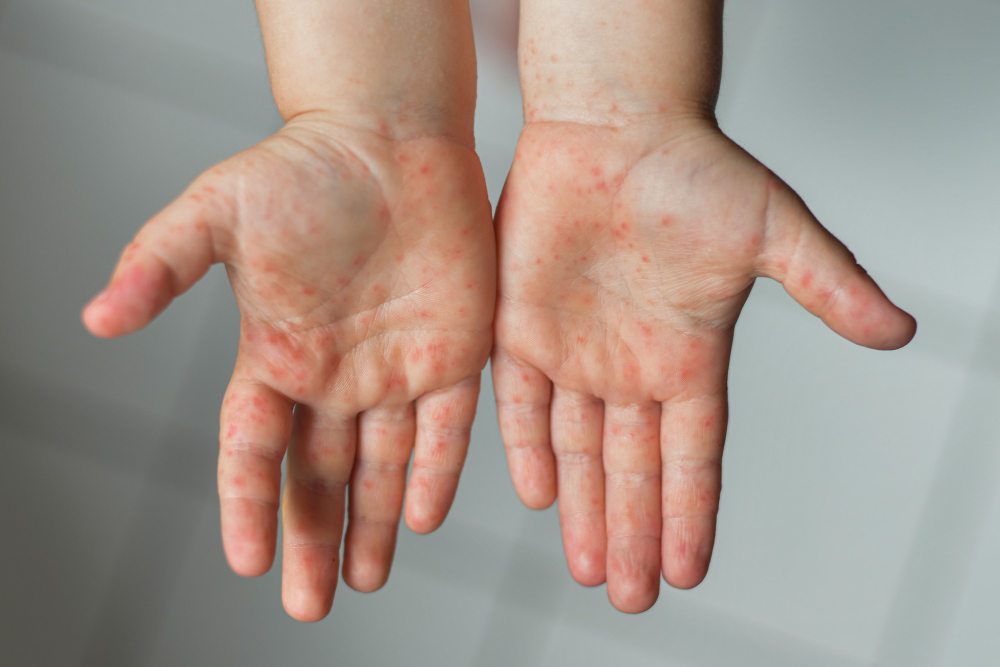
What is Hand, Foot & Mouth Disease?
Hand, Foot & Mouth Disease is a common illness, especially in young children. It is caused by viruses, most often coxsackievirus. While the disease is usually mild, knowing the symptoms can help you act quickly. According to the CDC and WHO, this illness spreads easily in schools and daycare centers. Because early detection is important, let’s look at the main signs.
Key Symptoms of Hand, Foot & Mouth Disease
Hand, Foot & Mouth Disease symptoms often appear three to six days after exposure. The symptoms can vary from person to person. However, most people experience a few common signs. Below are the main symptoms to watch for:
In addition, not everyone will have all these symptoms. Some children may only have a rash or mouth sores. Adults can get the disease too, but their symptoms are often milder.
How to Recognize Symptoms Early
Early recognition of Hand, Foot & Mouth Disease symptoms helps prevent spreading the illness. At first, you may notice your child is more tired than usual. Next, a mild fever and sore throat may develop. Soon after, mouth sores and a skin rash can appear. Because the rash and sores are unique, they are important clues. For example, if you see red spots on the palms, soles, or inside the mouth, consider this illness. Also, watch for changes in eating or drinking habits. If your child refuses food, check for mouth sores.
When to Seek Medical Attention
Most cases of Hand, Foot & Mouth Disease are mild. Still, some symptoms need a doctor’s care. Seek medical help if:
Because rare complications can occur, it is always best to check with a healthcare professional if you are unsure.
Frequently Asked Questions about Symptoms
If you notice these symptoms, consult a healthcare professional for personalized advice. Early action can help your child feel better and prevent the illness from spreading.